Projects delivered
Years senior experience
Strategic partners
Senior contact, no layers
Where do WWTP
emissions arise?
VOCs from industrial influent and surface aeration
Learn more
From anaerobic digestion and sludge tanks
Learn more
From nitrogen removal and digesters
Learn more
From biogas systems and sewer lines
Learn more
Mercaptans, amines and organic acids
Learn more
Biological processes and chemical dosing points
Learn more
01
Odour & community relations
Persistent odours risk complaints and reputational damage
02
Worker health & safety
Gases like H₂S and NH₃ pose serious risks even at low levels
03
Regulatory compliance
Strict VOC and odour limits apply; non-compliance can halt operations
04
Asset protection
Corrosive gases shorten equipment life and increase downtime
05
Biogas utilisation
Cleaning biogas improves energy recovery and protects CHP or upgrading systems
Why emissions must be managed
Air emissions are part of the water process.
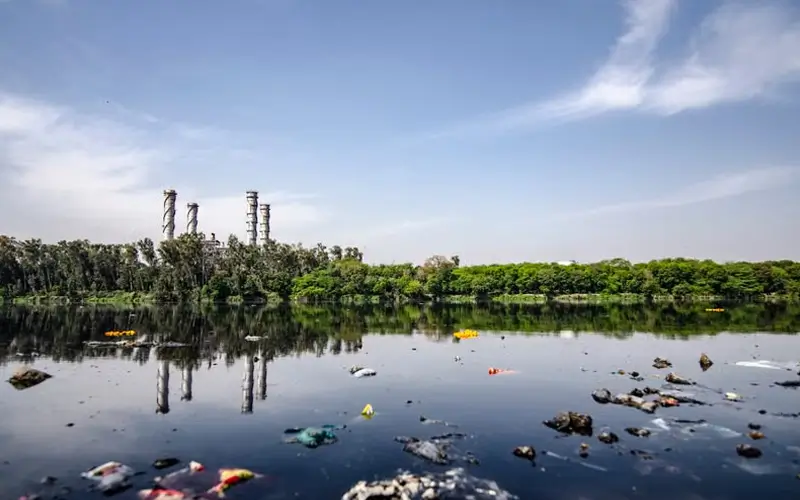
In addition to water purification, WWTPs emit VOCs, H₂S, ammonia, methane and odorous compounds. We assess air and water emission behaviour together before recommending a treatment route.
Technologies
Emission-control technologies we engineer and integrate.
Our strength lies in combining process engineering with a deep understanding of air and water emissions behaviour — from biofilters to thermal oxidisers.

Biological route
BiofiltersSustainable odour and H₂S abatement for municipal and industrial treatment plants.

Wet treatment
Wet chemical scrubbersAcid and alkali scrubbing for NH₃, H₂S and water-soluble VOCs.

Polishing stage
Activated carbon systemsPolishing air from enclosed areas such as sludge buildings and headworks.

Destruction route
Thermal oxidisersFor industrial applications with complex or hazardous off-gas streams.

Biogas safety
Enclosed flares & biogas safetySafe digester-gas handling with enclosed flares and biogas safety equipment.

Engineering & integration
Integration engineeringProcess & mechanical engineering, automation, E&I and interlock design.
Selection and layout of treatment packages are fitted to plant hydraulics, footprint and flow logic.
Smart integration
Smart integration = cleaner air + cleaner water. Always a holistic approach.
Plant hydraulics
FRP & stainless steel
ATEX-compliant design
Heat integration
Blowers & digesters
Drying systems
Engineering first, emissions controlled
We specialise in engineering and integrating customised emission-control technologies into new or existing wastewater systems.
01
Upgrades & new buildsProcess and mechanical engineering for WWTP upgrades or new builds.
02
Unit integrationIntegration of emission-control units with digesters, sludge lines or aeration systems.
03
Package selectionSelection and layout of treatment packages to fit hydraulics, footprint and flow logic.
04
Automation & E&IAutomation, E&I and interlock design for safe and efficient operation.
05
Materials & ATEXCorrosion-suited materials (FRP, stainless) and ATEX-compliant design for gas zones.
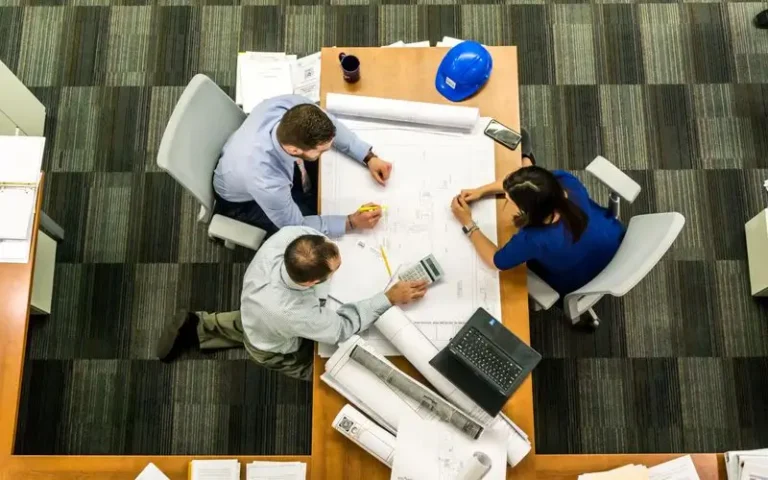
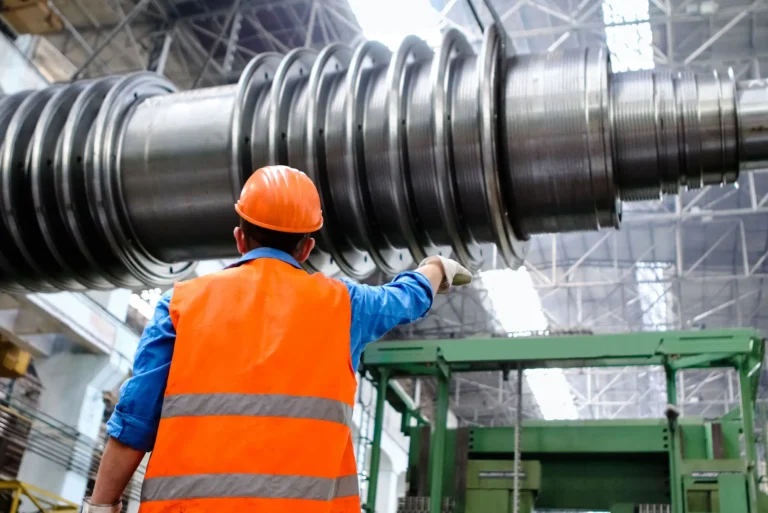

Project lifecycle
Independent engineering, practical delivery
One partner across the complete project lifecycle. BM Process connects process knowledge with proven emission-control technologies — helping you challenge assumptions, compare lifecycle costs and build a technically defensible investment case.
Engagements can start at any phase — not every assignment includes every stage.
Technology partner
Krantz Clean Air Solutions
BM Process supports Krantz thermal clean-air solutions in the Netherlands and Belgium, backed by extensive industrial engineering experience.
Engineering & local support by BM Process


ATEX & Safety
VOC control and explosion safety must be engineered together.
Safe operation requires control of VOC concentration together with suitable ventilation, ATEX zoning, ignition-source control, monitoring, interlocks and explosion-protection measures.
Kept below safe limits
Dilution and capture
Classified areas
Equipment selection
Detect and respond
Mitigation measures
FAQ
Questions we often discuss with plant teams
The first technical conversation can usually identify the most important data gaps and feasible pathways.
Share the application and your main concern — we’ll map the most useful next step together.
Which gases are typical at a wastewater treatment plant?
Common airborne emissions include VOCs from industrial influent and surface aeration, H₂S from anaerobic digestion and sludge tanks, ammonia from nitrogen removal, methane from biogas systems, and odorous compounds such as mercaptans, amines and organic acids.
When is a biofilter the right choice?
Biofilters are a sustainable route for odour and H₂S abatement at moderate, stable loads. For ammonia, H₂S peaks or water-soluble VOCs, wet chemical scrubbers — or a combination of stages — often perform better.
How do you handle corrosive and explosive atmospheres?
Materials are selected for corrosive and hygienic environments, for example FRP and stainless steel, and designs follow ATEX requirements for explosive gas zones around digesters and biogas systems.
Can emission control be added to an existing plant?
Yes. We engineer and integrate treatment packages into existing plant hydraulics, footprint and flow logic, and coordinate interfaces with digesters, sludge lines, aeration and controls.
Contact
Start with your process
Not sure which VOC solution fits? Share the application and your main concern. We’ll use the first discussion to understand the process, available data and the most useful next step.
Request a technical discussion
Response within one working day
Contact
Trusted by Industry Leaders