Projects delivered
Years senior experience
Strategic partners
Senior contact, no layers
Where do waste plant
emissions arise?
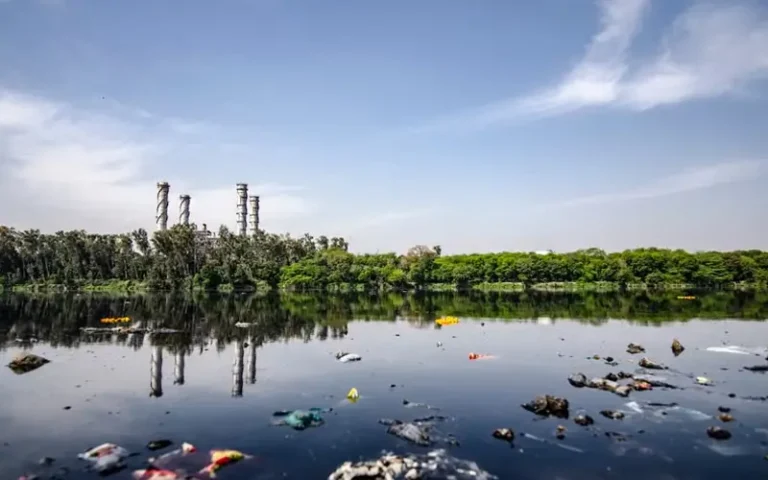
Decomposing waste, solvents and process chemicals
Learn more
Ammonia, H₂S and mercaptans from organic waste
Learn more
Crushing, shredding and handling of dry waste
Learn more
CO, NOx and SO₂ from incineration or pyrolysis
Learn more
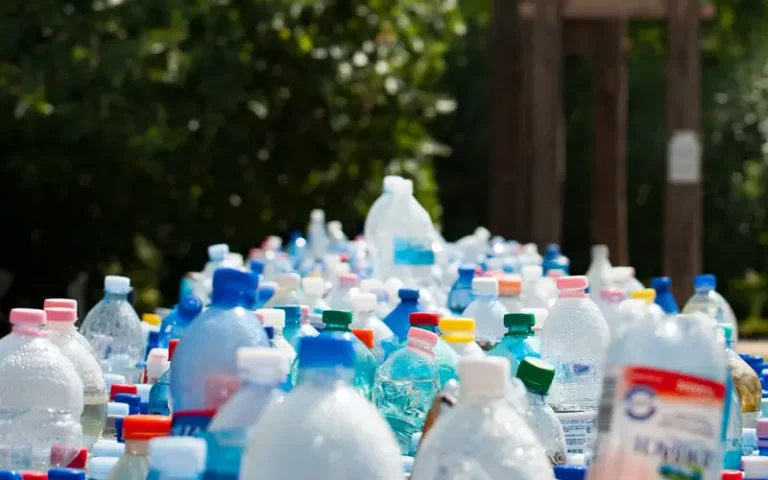
Waste-to-energy processes and plastics treatment
Learn more
Electrolyte vapours and dust from recycling lines
Learn more
01
Odour control & acceptance
Without abatement, waste sites face opposition and shutdown risk
02
Environmental & health protection
Dioxins, acid gases and particulates pose serious risks
03
Regulatory compliance (IED / BREF)
Strict limits under the Industrial Emissions Directive and BAT
04
Energy & resource recovery
Clean exhaust protects turbines and gas-cleaning units
05
Occupational health & ATEX
Mixed waste streams create explosive and harmful atmospheres
Why emissions must be managed
Variable waste needs robust treatment.
Waste and recycling exhaust changes with every delivery. We design treatment trains that cope with fluctuating loads and combine pragmatic engineering with smart emission-control solutions.
Technologies
Emission-control technologies we engineer and integrate.
Our strength lies in pragmatic engineering for variable waste streams — robust technologies, combined into treatment trains that meet IED and BREF requirements.
Destruction route
Thermal oxidisers (TO / RTO / CatOx)Destroy VOCs, odorous gases and harmful organics through high-efficiency combustion.

Wet treatment
Wet & chemical scrubbersRemove ammonia, H₂S, acid gases and dust — ideal for MBT plants.

Biological route
BiofiltersCost-effective odour control for composting and leachate treatment zones.

Polishing stage
Activated carbon filtrationRemove residual VOCs, siloxanes or halogenated organics.

Dust removal
Baghouses, cyclones & mist eliminatorsCapture particles from shredding, incineration and pre-sorting.

Engineering & integration
Integration engineeringHall extraction, ATEX zoning, controls and interfaces with existing systems.
Treatment trains are sized for fluctuating waste composition and seasonal variation.
Smart integration
Robust treatment for variable waste. Always a holistic approach.
Hall extraction
Waste composition
IED / BREF
ATEX zoning
Dust & aerosols
Energy recovery
Engineering first, emissions controlled
We focus on pragmatic engineering services and smart emission-control solutions for waste treatment and recycling facilities.
01
Emission inventoryMapping halls, shredders, composting and thermal units.
02
BAT gap analysisComparing current performance with IED and BREF limits.
03
Treatment train designCombining dust removal, scrubbing, biofiltration and oxidation.
04
Safety & ATEXZoning and interlocks for explosive atmospheres.
05
Owner’s supportVendor evaluation, commissioning and performance tests.
Project lifecycle
Independent engineering, practical delivery
One partner across the complete project lifecycle. BM Process connects process knowledge with proven emission-control technologies — helping you challenge assumptions, compare lifecycle costs and build a technically defensible investment case.
Engagements can start at any phase — not every assignment includes every stage.
Technology partner
Krantz Clean Air Solutions
BM Process supports Krantz thermal clean-air solutions in the Netherlands and Belgium, backed by extensive industrial engineering experience.
Engineering & local support by BM Process


ATEX & Safety
VOC control and explosion safety must be engineered together.
Safe operation requires control of VOC concentration together with suitable ventilation, ATEX zoning, ignition-source control, monitoring, interlocks and explosion-protection measures.
Kept below safe limits
Dilution and capture
Classified areas
Detect and respond
Mitigation measures
FAQ
Questions we often discuss with plant teams
The first technical conversation can usually identify the most important data gaps and feasible pathways.
Share the application and your main concern — we’ll map the most useful next step together.
Which emissions occur at waste and recycling facilities?
VOCs from decomposing waste and solvents, odorous ammonia, H2S and mercaptans, particulates from shredding and handling, combustion gases from thermal treatment, and acid gases or dioxins from waste-to-energy processes.
Which BREF applies to my facility?
Most facilities fall under the Waste Treatment BREF; incineration plants under the Waste Incineration BREF. We assess which BAT conclusions apply and where the gaps are.
Can one technology handle all pollutants?
Rarely. Waste exhaust usually needs a treatment train, for example dust removal, scrubbing for ammonia and H2S, then biofiltration or oxidation for odour and VOCs.
Do you work on battery and chemical recycling?
Yes. These processes release electrolyte vapours, solvents and fine dust, and often involve ATEX zones. We engineer capture and treatment systems suited to these hazards.
Contact
Start with your process
Not sure which VOC solution fits? Share the application and your main concern. We’ll use the first discussion to understand the process, available data and the most useful next step.
Request a technical discussion
Response within one working day
Contact
Trusted by Industry Leaders