Projects delivered
Years senior experience
Strategic partners
Senior contact, no layers
Where do automotive
emissions arise?
Solvent-borne and waterborne coatings, high airflow and low VOC concentration
Learn more
Heated exhaust with concentrated solvent and decomposition products
Learn more
Seam sealing, underbody protection and bonding lines
Learn more
Colour changes, gun cleaning and line flushing
Learn more
Combustion gases, hydrocarbons and NOx from test benches
Learn more
Diffuse emissions from mixing rooms and spot repair
Learn more
01
Permit & VOC limits
Solvent Emissions Directive and BAT limits for surface treatment of vehicles
02
Energy demand
Large air volumes make thermal treatment expensive without concentration
03
Production continuity
Abatement must follow line speed, shifts and colour changes
04
Odour & neighbours
Plants near residential areas face growing odour scrutiny
05
CO₂ reduction
Heat recovery cuts gas use and supports climate targets
Why emissions must be managed
Abatement has to keep pace with the line.
Automotive exhaust combines very high airflows with low, fluctuating VOC concentrations. We look at the full paint-shop balance, from booth air recirculation to oven exhaust, before sizing any treatment system.
Technologies
Emission-control technologies we engineer and integrate.
Our strength lies in combining paint-shop process knowledge with emission-control engineering — reducing the air volume first, then treating it efficiently.
Concentration
Rotor concentratorZeolite rotors reduce booth airflow to a small, concentrated stream for final treatment.

Destruction route
Regenerative thermal oxidationRTO systems with 95%+ heat recovery for oven and concentrated booth exhaust.

Low-temperature route
Catalytic oxidationLower operating temperatures for clean, catalyst-compatible solvent streams.

Source reduction
Air recirculationBooth air recirculation and enclosure reduce the volume that needs treatment.

Heat integration
Energy recoveryRecovered heat returned to ovens, booth supply air or hot-water
circuits.

Engineering & integration
Integration engineeringDucting, fans, controls, ATEX and interfaces with existing paint-shop systems.
Treatment capacity is matched to line speed, shift patterns and colour-change frequency.
Smart integration
Less air to treat, more heat recovered. Always a holistic approach.
Booth air balance
Oven exhaust
Rotor concentrators
Heat recovery
ATEX zoning
Shift & line patterns
Engineering first, emissions controlled
We engineer and integrate emission-control systems into new and existing automotive paint shops and assembly plants.
01
Emission inventoryMapping booths, ovens, sealant lines and test cells by airflow and load.
02
Volume reductionRecirculation, enclosure and concentration before end-of-pipe treatment.
03
Technology selectionComparing RTO, CatOx and concentrator routes on lifecycle cost.
04
Heat integrationReturning recovered energy to ovens and supply air.
05
Commissioning supportPerformance testing, emission measurements and optimisation.
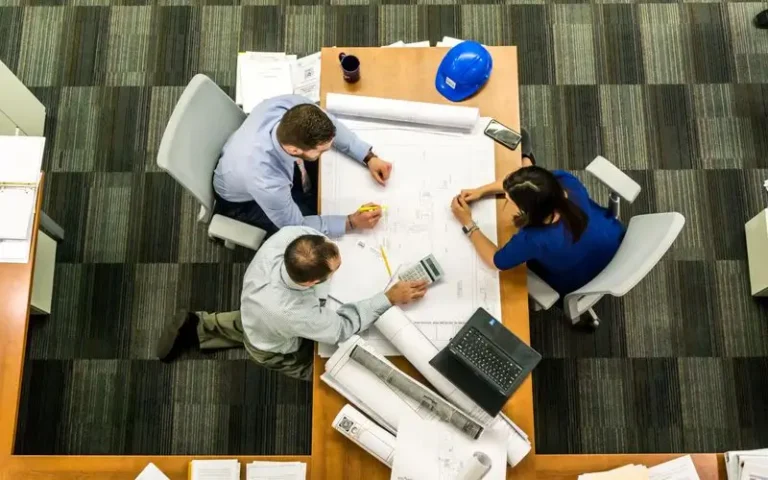
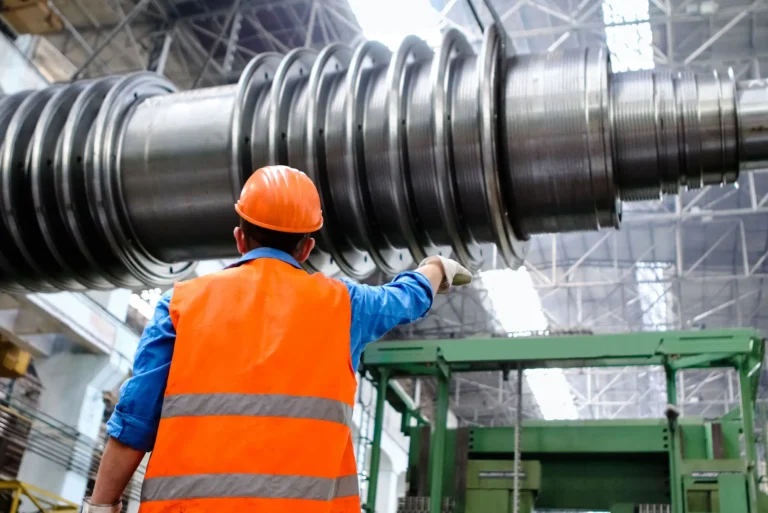
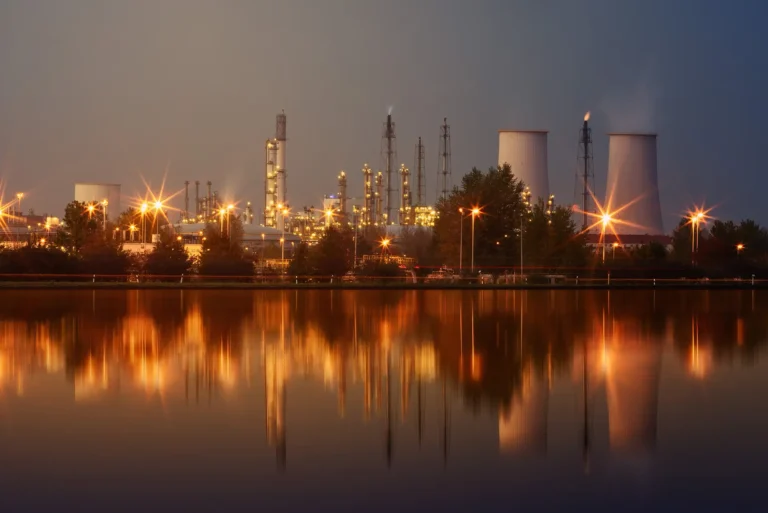
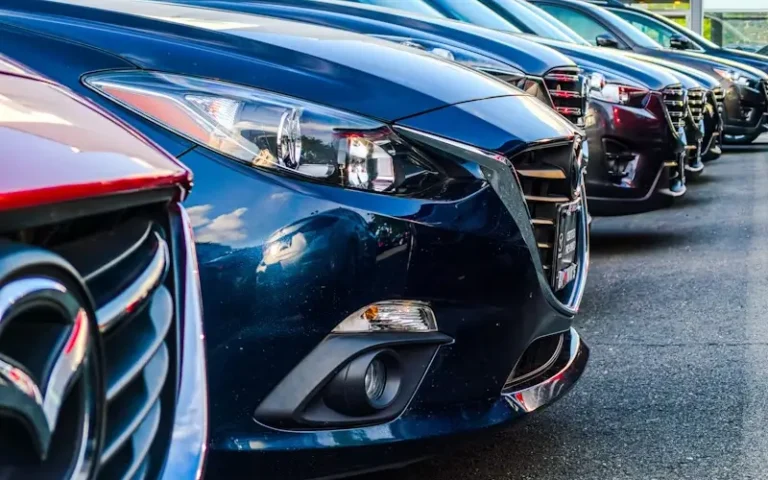
Project lifecycle
Independent engineering, practical delivery
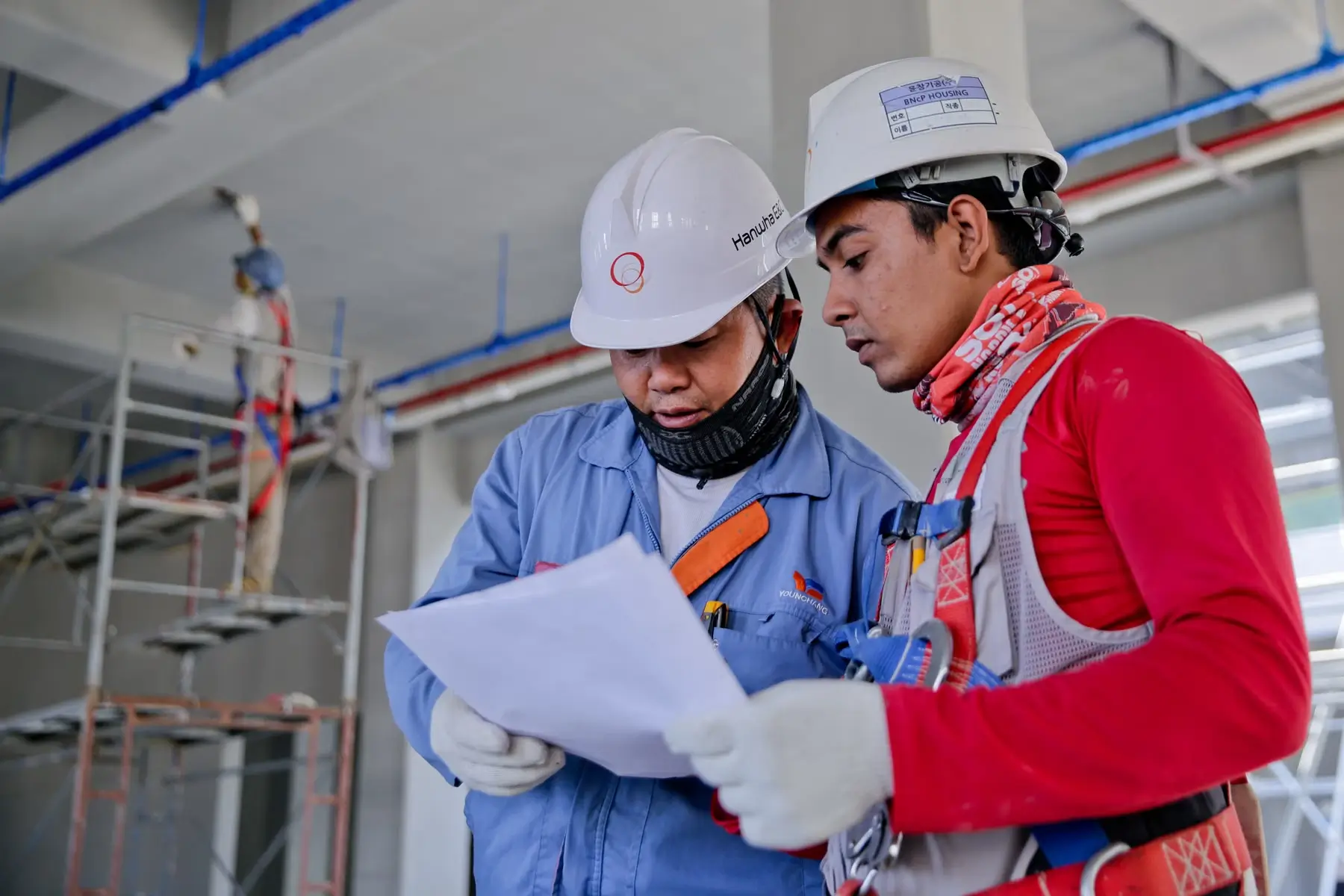
One partner across the complete project lifecycle. BM Process connects process knowledge with proven emission-control technologies — helping you challenge assumptions, compare lifecycle costs and build a technically defensible investment case.
Engagements can start at any phase — not every assignment includes every stage.
Technology partner
Krantz Clean Air Solutions
BM Process supports Krantz thermal clean-air solutions in the Netherlands and Belgium, backed by extensive industrial engineering experience.
Engineering & local support by BM Process


ATEX & Safety
VOC control and explosion safety must be engineered together.
Safe operation requires control of VOC concentration together with suitable ventilation, ATEX zoning, ignition-source control, monitoring, interlocks and explosion-protection measures.
Kept below safe limits
Dilution and capture
Classified areas
Equipment selection
Detect and respond
Mitigation measures
FAQ
Questions we often discuss with plant teams
The first technical conversation can usually identify the most important data gaps and feasible pathways.
Share the application and your main concern — we’ll map the most useful next step together.
Which emissions are typical in an automotive paint shop?
Paint booths release large volumes of air with low VOC concentrations, while drying and curing ovens produce smaller, more concentrated solvent streams. Sealant lines, purge solvents and engine test cells add further sources.
Why use a rotor concentrator before an RTO?
A concentrator transfers VOCs from a large booth airflow into a much smaller stream. The downstream oxidiser can then be far smaller and often runs autothermally, which sharply reduces gas consumption.
Can heat from the oxidiser be reused in the paint shop?
Usually yes. Recovered heat can supply oven air, booth supply air or hot-water circuits, depending on the plant energy balance.
Can you work around existing production lines?
Yes. We plan tie-ins, shutdown windows and phased commissioning so emission control can be added without disrupting production.
Contact
Start with your process
Not sure which VOC solution fits? Share the application and your main concern. We’ll use the first discussion to understand the process, available data and the most useful next step.
Request a technical discussion
Response within one working day
Contact
Trusted by Industry Leaders