
Projects delivered
Years senior experience
Strategic partners
Senior contact, no layers
Where do food plant
emissions arise?
Flavourings, oils, solvents and alcohols
Learn more
Fatty acids, sulphur compounds and amines
Learn more
Frying, drying and milling processes
Learn more
Vapours with organic load from cooking lines
Learn more
CO₂ and flue gas from ovens and boilers
Learn more
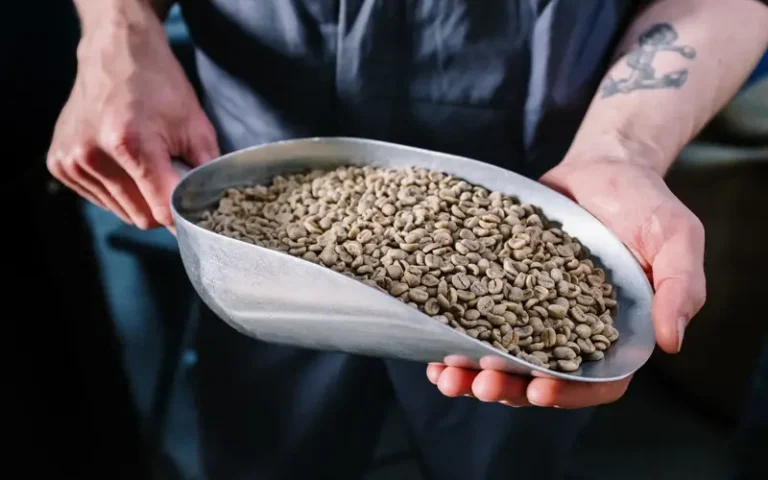
Smoke, aerosols and odour from roasters
Learn more
01
Odour control & complaints
Recognisable food odours quickly lead to neighbourhood complaints
02
Regulatory compliance
Odour and VOC norms near urban and mixed-use zones
03
Health & hygiene
Airborne pollutants affect plant hygiene and cross-contamination
04
Sustainability goals
Lower energy use and emissions across the plant
05
Occupational safety
Some flavouring VOCs are hazardous at low concentrations
Why emissions must be managed
Odour is what your neighbours measure you by.
Food plant exhaust is often humid, greasy and variable. We design hygiene-friendly treatment that integrates with existing lines and recovers heat wherever the energy balance allows.
Technologies
Emission-control technologies we engineer and integrate.
Our strength lies in combining odour-abatement technology with hygiene-friendly, energy-conscious process integration.

Destruction route
Thermal oxidisers (RTO, CatOx)Treat organic vapours, alcohols and fat aerosols from roasting, baking and frying.

Adsorption
Activated carbon filtersCapture VOCs, flavouring residues and cooking fumes with low pressure drop.

Wet treatment
Condensation & scrubbingRemove water-soluble odorants and cool vapours from cooking and fermentation.

Biological route
BiofiltersNatural, cost-effective odour treatment for low-load organic emissions.

Non-thermal route
UV-C, plasma & ozoneCompact treatment for grease and odour in kitchen-type exhaust.

Heat integration
Process heat recoveryReuse waste heat from ovens or oxidisers to preheat air or water.
Systems are designed for humid, greasy exhaust and food-grade hygiene requirements.
Smart integration
Cleaner air, lower energy bills. Always a holistic approach.
Grease & aerosols
Humidity
Hygienic design
Odour units
Heat recovery
Line integration
Engineering first, emissions controlled
We focus on odour abatement, hygiene-friendly design and energy-conscious integration for food and beverage manufacturers.
01
Odour assessmentSources, odour units and dispersion around the site.
02
Pre-treatmentGrease separation, condensation and cooling.
03
Technology selectionThermal, adsorption, biological and non-thermal routes compared.
04
Heat recoveryIntegrating recovered energy into process air or water.
05
CommissioningOdour measurements and performance optimisation.




Project lifecycle
Independent engineering, practical delivery
One partner across the complete project lifecycle. BM Process connects process knowledge with proven emission-control technologies — helping you challenge assumptions, compare lifecycle costs and build a technically defensible investment case.
Engagements can start at any phase — not every assignment includes every stage.
Technology partner
Krantz Clean Air Solutions
BM Process supports Krantz thermal clean-air solutions in the Netherlands and Belgium, backed by extensive industrial engineering experience.
Engineering & local support by BM Process


ATEX & Safety
VOC control and explosion safety must be engineered together.
Safe operation requires control of VOC concentration together with suitable ventilation, ATEX zoning, ignition-source control, monitoring, interlocks and explosion-protection measures.
Kept below safe limits
Dilution and capture
Classified areas
Equipment selection
Detect and respond
Mitigation measures
FAQ
Questions we often discuss with plant teams
The first technical conversation can usually identify the most important data gaps and feasible pathways.
Share the application and your main concern — we’ll map the most useful next step together.
Which emissions are typical in food production?
VOCs from flavourings, oils and alcohols, odorous fatty acids and sulphur compounds, particulates from frying and drying, steam with organic load, and combustion gases from ovens and boilers.
Which technology works best for roasting exhaust?
Roasters produce smoke, aerosols and strong odour at high temperature. Thermal or catalytic oxidation is usually the most reliable route, often combined with heat recovery.
How do you deal with grease in exhaust air?
Grease aerosols are removed upstream with separators, condensation or non-thermal treatment, so downstream equipment stays clean and efficient.
Can odour treatment reduce energy costs?
Yes. Heat recovered from oxidisers or oven exhaust can preheat process air or water, improving the overall plant energy balance.

Contact
Start with your process
Not sure which VOC solution fits? Share the application and your main concern. We’ll use the first discussion to understand the process, available data and the most useful next step.
Request a technical discussion
Response within one working day
Contact
Trusted by Industry Leaders