
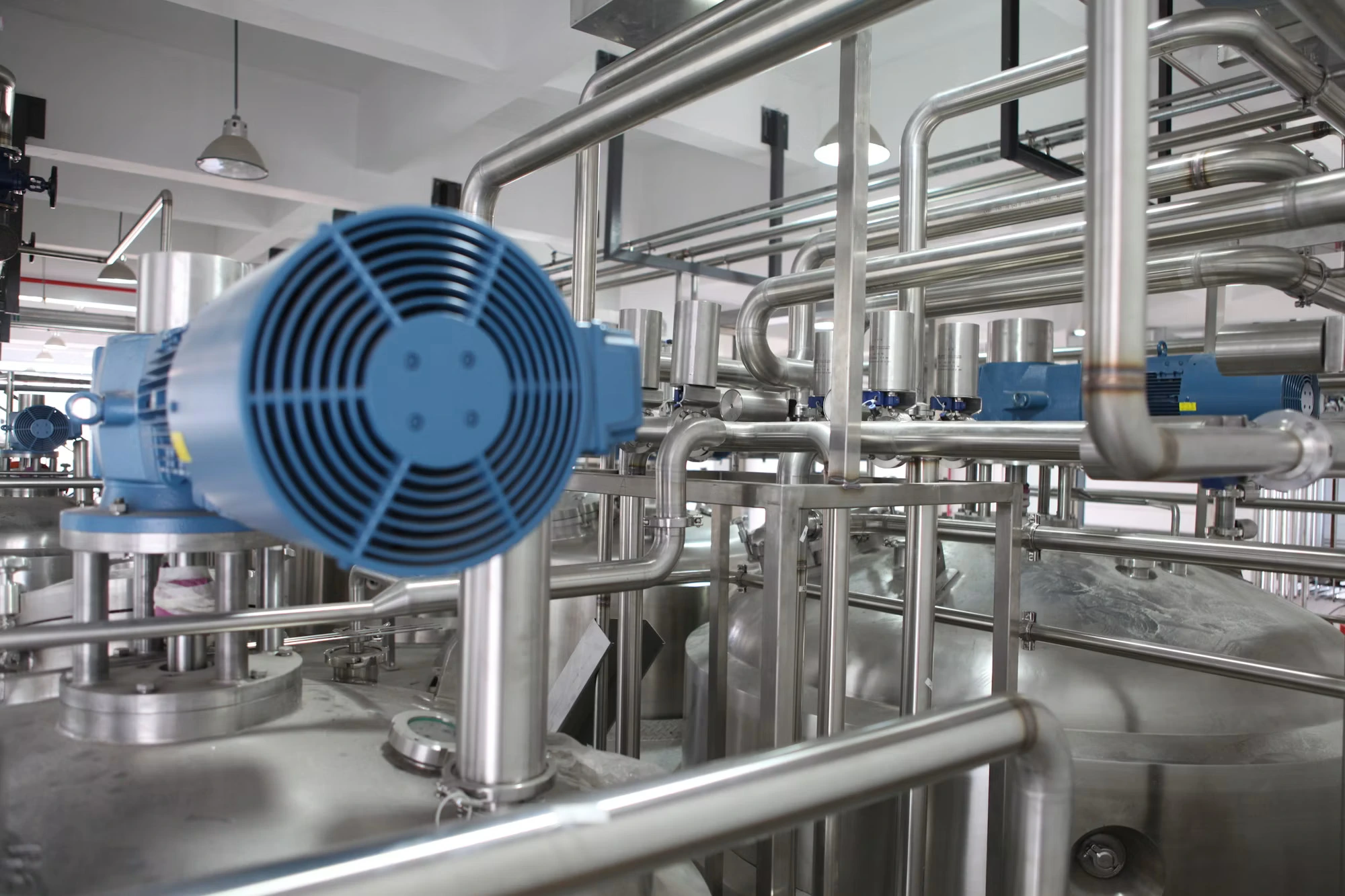
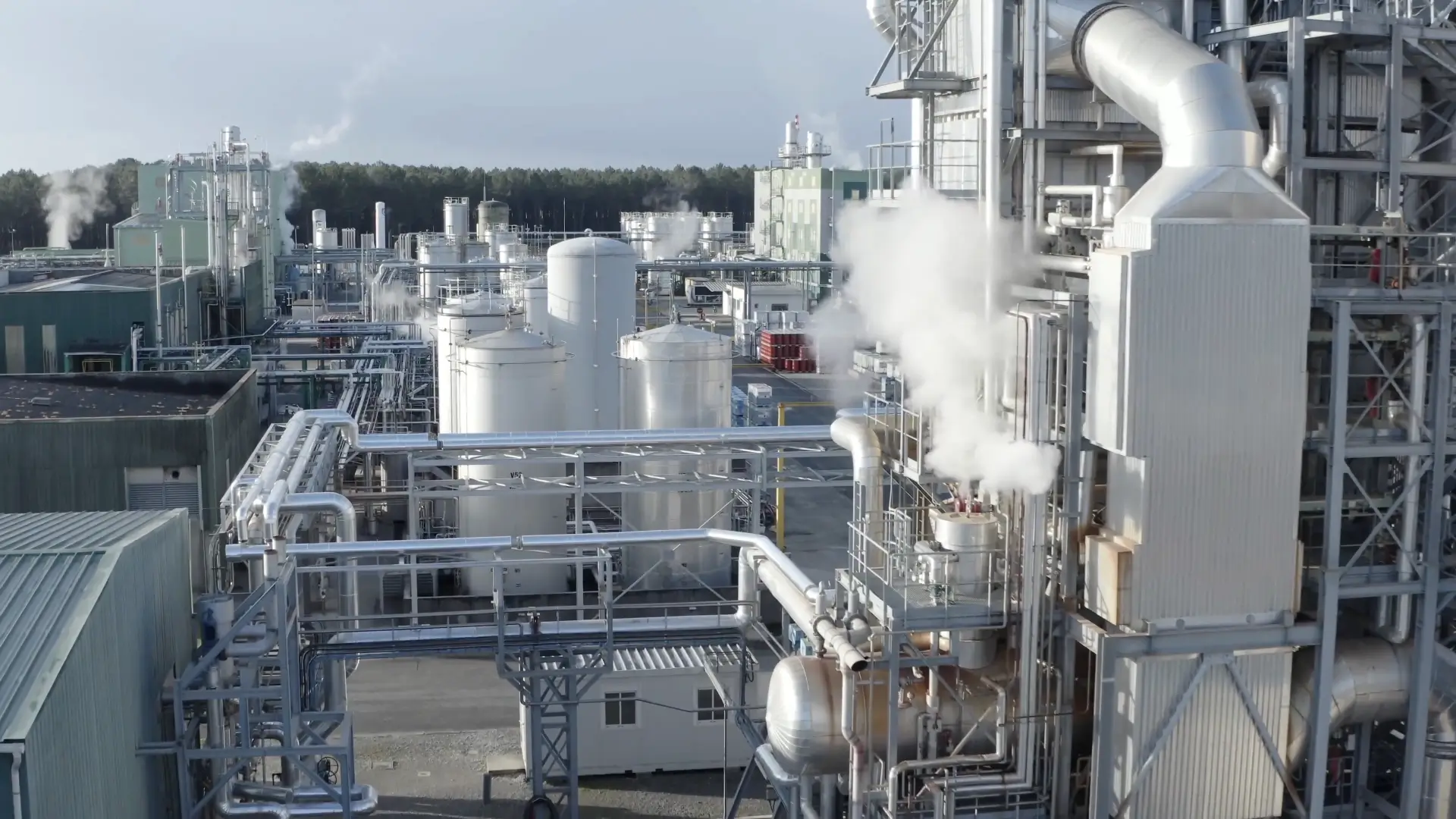
Complete, coordinated FEED deliverables.
Engineering documentation that reflects real-world site conditions, operating needs and compliance requirements, ready to hand off to contractors or internal engineering teams.
We finalise PFDs and develop P&IDs that define all key process elements: instrumentation, control logic, safety systems and utility connections.
Learn more
We calculate operating conditions and flow parameters to support equipment sizing, utility integration and downstream engineering accuracy.
Learn more
Process and mechanical datasheets for pumps, tanks, heat exchangers and other major equipment, based on process conditions and vendor input.
Learn more
Comprehensive line lists with pipe sizing, design pressures, materials of construction and isolation requirements.
Learn more
We assess process upsets and define relief valve sizing in line with API 520/521, including load cases and header considerations.
Learn more
We define utility loads for steam, air, nitrogen, power and cooling water, and support utility line layout and routing.
Learn more
General arrangements and site plans that reflect spatial constraints, access requirements, zoning and safety distances.
Learn more
Key process control loops, interlocks, alarm strategy and integration into automation systems (DCS or PLC).
Learn more
Packages suitable for RFQ processes, so you can engage vendors or EPC contractors with confidence.
Learn more
Working with a preferred vendor or EPC?
We often coordinate with preferred vendors or EPC firms during basic engineering to align technical details and interface points.

A FEED package contains
PFD / P&ID
Datasheets
Line lists
±15–30% CAPEX
02 / Cost accuracy
We approach basic engineering with an understanding of how design decisions affect project costs, timelines and constructability. Our documents reflect the actual needs of the site and the expectations of operators, maintenance teams and safety authorities.
CAPEX estimates are typically provided in the ±15–30% range, depending on project definition and the vendor input available at the time.
Not just deliverables, but real added value.
Our team stays involved throughout the FEED process, so technical integrity is maintained and all disciplines stay aligned.
01
Site realityDocumentation reflects real site conditions, operating needs and compliance requirements.
02
Discipline alignmentProcess, piping, mechanical, electrical and automation inputs are coordinated into one package.
03
Lean and meanWe deliver what is required for a confident tender, without unnecessary paperwork.
Let’s design a cleaner system together.
04 / FAQ
Questions we often discuss with plant teams
The first technical conversation can usually identify the most important data gaps and feasible pathways.
Share the application and your main concern — we’ll map the most useful next step together.
What is included in BM’s basic engineering package?
Our FEED packages include PFDs, P&IDs, equipment datasheets, line lists, layout drawings, utility balance, control strategy, and specifications suitable for tendering.
Can you integrate with vendors or EPCs during FEED?
Yes. We often coordinate with preferred vendors or EPC firms during the basic engineering phase to align technical details and interface points.
What level of cost accuracy can we expect?
We typically provide CAPEX estimates in the ±15–30% range, depending on project definition and available vendor input at the time.
What kind of projects do you support?
We support tank terminals, chemical plants, food industry, utility systems, and energy infrastructure, especially in brownfield or upgrade settings.

Contact
Start with your process
Not sure which VOC solution fits? Share the application and your main concern. We’ll use the first discussion to understand the process, available data and the most useful next step.
Request a technical discussion
Response within one working day
Contact
Trusted by Industry Leaders